Lavender: Calm & Serenity, Meaning, Season and Vase Care
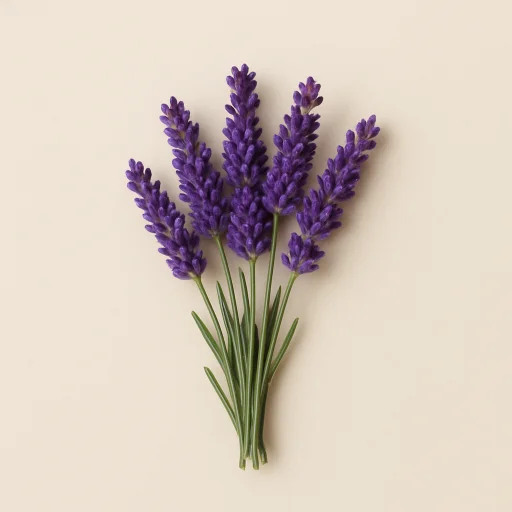
Lavender instantly fills a room with scent and a Provençal vibe. The delicate purple blooms have a calming effect and suit pared-back bouquets. They’re attractive both as fresh cut stems and when dried. With little effort they last long and release their characteristic fragrance.
At a glance
| Botanischer Name | Lavandula (e.g. Lavandula angustifolia) |
| Bedeutung | Calm & serenity |
| Saison | Main bloom June to August; dried lavender available year‑round |
| Haltbarkeit in der Vase | Fresh about 5 to 10 days; as a dried flower several months to years |
| Farben | Purple (lavender) |
| Für Haustiere | Mildly toxic if ingested; cats and dogs can be sensitive, keep out of reach |
What does lavender mean?
Lavender traditionally stands for calm and serenity, which makes it a fitting choice for moments when relaxation or comfort is the focus. In the language of flowers it signals purity, harmony and gentle affection. That’s why it’s popular for gifts to stressed friends, get‑well bouquets or as a soothing detail in a bedroom arrangement. Because of its scent, lavender also works well as a small thank‑you or an addition to wellness and relaxation gifts. In wedding bouquets it brings a natural, understated elegance and complements both rustic and more refined styles.
When is it in season? (Months, origin)
Lavender blooms mainly in summer, typically from June to August; depending on variety and location flowering can start in early June or extend into September. Native to the Mediterranean, lavender is now grown in many warm regions such as France, Spain and southern parts of Central Europe. Cut stems appear fresh on the market in summer, and lavender is often dried after harvest because drying preserves color and scent well. That’s why dried lavender is available year‑round and stays decorative for a long time.
What pairs well with it in a bouquet?
Lavender pairs beautifully with fine white flowers and soft textures. Good partners are white rose, freesia, daisy and statice. Greenery such as eucalyptus, olive branch or ruscus highlights the purple tones and adds structure. For a Provençal feel use linen wrapping and loose, airy bindings. Use strongly scented companions sparingly so they don’t overpower the lavender. Stylistically lavender works in both minimalist bouquets and wild, natural arrangements.
Lavender in the vase: step by step
- Freshly cut the stems on a diagonal so they can take up water more easily.
- Remove any leaves that would sit below the water line to prevent rot.
- Place lavender in lukewarm water and add cut‑flower food if you like.
- Choose an airy vase, don’t crowd the stems, and put it in a cool spot out of direct sun.
- Change the water every two days, recut stems if needed, or dry the lavender for long‑lasting decoration.
Gifting lavender, right away and out of season
If you want to give lavender outside its season, dried bunches or small potted plants are a great choice, they keep scent and shape for a long time. We ship fresh lavender in season; otherwise we offer dried versions. The bouquet series also has a digital option: Flora puts together a digital bouquet and sends it as a link that ‘blooms’ and will ‘wilt’ over time if not kept, a playful way to send joy even when fresh harvest isn’t available. Linen packaging enhances the Provençal theme and completes the gift.
Feeling inspired?
Create your own bouquet in the workshop and send it as a link that blooms open.
Frequently asked questions
How long does lavender last in the vase?
Fresh lavender typically lasts five to ten days in a vase, depending on its freshness at purchase and care. If you dry it, it can remain decorative for months or even years.
Is lavender toxic to cats?
Lavender is mildly toxic if swallowed by cats and dogs; they can be sensitive to its oils. Keep fresh stems and dried bundles out of pets’ reach and consult your vet if you’re unsure.
Why does lavender flop over?
Drooping blooms are often a sign of water stress, overcrowding in the vase or the age of the stems. Recut the stems, give clean lukewarm water and remove leaves below the water line, that usually helps them perk up.
What does the color purple mean for lavender?
Purple stands for calm, dignity and reflection, reinforcing lavender’s association with peace and serenity. The color also adds a touch of elegance and natural charm, perfect for soothing arrangements.