
Foxglove, meaning, season and vase care
Foxglove is a tall, bell-shaped perennial that immediately adds height and a wild-garden vibe to any bouquet. With us you get it in a soft pink, perfect as an eye-catcher or as a relaxed companion in loosely tied arrangements. Warning: all parts of the plant are poisonous, so wash your hands after arranging and keep the stems out of reach of children and pets. Floras tip: tall bell spikes give structure and tension, especially paired with longer companion flowers.
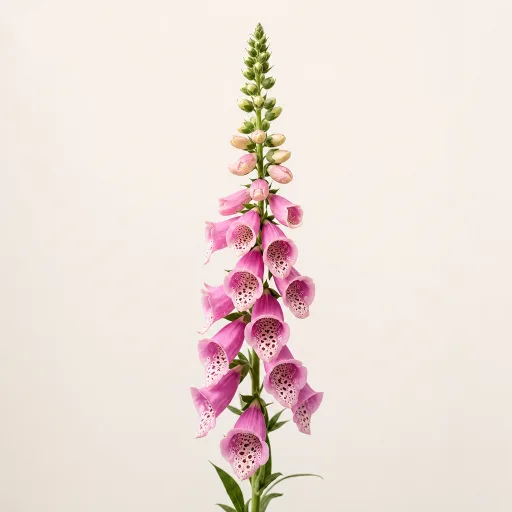
At a glance
| Botanical name | Digitalis purpurea |
| Meaning | Attraction |
| Season | May to August |
| Vase life | 3 to 7 days, depending on cutting time and care |
| Colors | pink (available from us) |
| Pets | toxic to dogs, cats and people; avoid contact and ingestion |
What does the foxglove mean? (symbolism, occasions)
In our catalogue foxglove carries the meaning 'attraction', and that fits: the tall spikes lift the eye and feel at once reserved and alluring. Because of their shape and stature they’re great in bouquets meant to make an impression, for example as a gift for a new acquaintance or as an accent in romantic arrangements. Traditionally bell-shaped flowers are linked to mystery and closeness to nature, so foxglove suits natural, garden-style occasions like garden parties or relaxed wedding bouquets. Because it’s toxic, foxglove is less suitable for children’s events or situations where the flowers will be left unattended.
When is it in season? (months, origin)
Foxglove typically blooms from May to August, sometimes a bit earlier or later depending on the weather. The plant is native to Europe and parts of western Asia and thrives in temperate climates. As a cut flower you’ll mainly find it in late spring and summer, so a bouquet with foxglove feels especially fresh in that period. If you want foxglove out of season, ask us about alternatives or our digital bouquet option, fresh-cut stems are temperature- and time-sensitive and look best in their natural flowering season.
What to pair it with in a bouquet? (specific companion flowers and greens)
Foxglove pairs well with other tall or mid-height shapes because it brings structure and height. We recommend delphinium, snapdragon, oxeye daisies and pink roses as good partners, they harmonize in color and silhouette. For foliage try eucalyptus, loose grasses, salal or delicate baby's breath to softly frame the bells. When arranging, vary stem lengths: set foxglove a bit higher so the bells show, and use flatter flowers like oxeye daisies as filler. The result is a relaxed, wild-looking bouquet with good balance.
Foxglove in the vase: step by step
- Cut the stems on the slant with a sharp knife or floral knife so they take up water better.
- Remove any leaves that would sit below the waterline to keep the water clean.
- Place foxglove in a clean vase with fresh, lukewarm water and add cut-flower food if needed.
- Change the water every two days, trim the stems slightly and remove wilted blooms.
- Always wash your hands thoroughly after arranging and keep the bouquet out of reach of children and pets.
Gifting foxglove, immediately and out of season (the bouquet series: Flora ties a digital bouquet, sends it as a link that blooms and wilts like a real one if you don’t preserve it)
If fresh foxglove isn’t available, you can still give it or send it symbolically. In our bouquet series I’ll arrange a digital bouquet for you and send it as a link; the recipient watches the flowers open and then fade, much like a real bouquet if it isn’t preserved. It’s a lovely idea for last-minute surprises or when the season is tight. For physical deliveries I’ll suggest pretty alternatives like dried stems or similar flowering stems, always with information about toxicity and care tips.
Feeling inspired?
Create your own bouquet in the workshop and send it as a link that blooms open.
Frequently asked questions
How long does foxglove last in a vase?
With good care foxglove usually lasts three to seven days. Regular water changes, a fresh cut and a clean vase extend its vase life.
Is foxglove toxic to cats and dogs?
Yes, all parts of the foxglove are toxic to cats, dogs and humans. Keep bouquets out of reach of pets and children and wash your hands after handling.
Why does foxglove sometimes droop?
Drooping often comes from lack of water or too long storage after cutting. Recut the stems, place them in clean water and trim them slightly, that usually helps.
What does the color pink mean for foxglove?
Pink is often associated with tenderness, attraction and a gentle mood. A pink foxglove therefore feels friendly yet elegant and works well in romantic or playful bouquets.