
Delphinium, meaning, season and vase care
Delphinium charms with long, upright flower spikes and instantly adds height and structure to bouquets. With us you'll find it in a clear blue that looks fresh and crisp. Often a single stem is enough to build an arrangement. With regular recutting and fresh water it will stay attractive for several days.
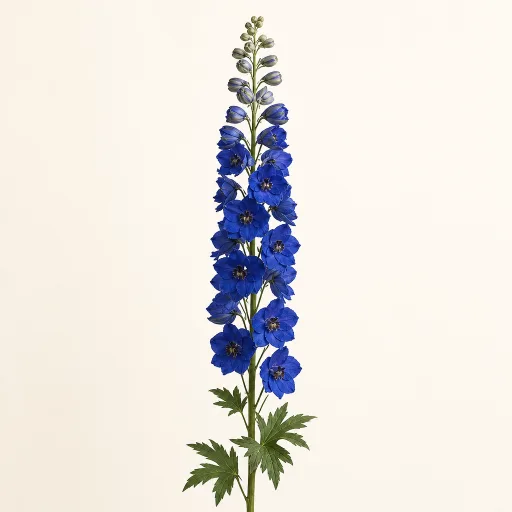
At a glance
| Botanical name | Delphinium spp. |
| Meaning | Cheerfulness |
| Season | Main season June to August; native and cultivated varieties come from temperate regions of Europe, Asia and North America |
| Vase life | 4 to 7 days with proper care |
| Colours | Blue (available from us) |
| Pets | Toxic to animals; don’t let pets eat it, contact a vet if you suspect ingestion |
What does the delphinium mean?
Delphinium stands for cheerfulness, a light, friendly mood conveyed by its upright habit and clear blue color. Traditionally, tall spikes like delphinium also symbolize sincerity and elegance, so it’s great for happy occasions such as birthdays, anniversaries or cheerful get-well wishes. Because of its elegant height it’s often used as a solo stem, but it also gives mixed bouquets a defined vertical line. Paired with smaller blooms it emphasizes contrast and creates an airy, upbeat look.
When is it in season?
Delphinium naturally blooms mostly in summer, with the main season roughly between June and August. At that time you’ll find especially fresh, long spikes from local growers or field production. Greenhouse-grown and imported stems can extend availability, but the best quality and most natural color intensity come from summer harvests. Many species originate from temperate regions of Europe, Asia and North America, so they prefer cool nights and moderate temperatures. For florists, summer is ideal to make use of the delphinium’s impressive height.
What pairs well with it in a bouquet?
Delphinium works best with calm, more compact flowers that support its height. Good partners are roses, lisianthus, santini or carnations, they provide volume without competing in height. Fillers and delicate contrasts like astilbe or baby’s breath fit well; textural wild blooms such as scabiosa complement it too. Foliage like eucalyptus, salal or pistacia adds structure and highlights the vertical form. Flora tip: a single delphinium stem often determines the bouquet’s construction and creates elegant height layering without overloading.
Delphinium in the vase: step by step
- Trim the stem fresh and at an angle so the vascular tissue takes up water better.
- Remove any leaves that would sit below the water line to keep the water clean.
- Fill a clean vase with fresh, lukewarm water and place the stems in immediately.
- Choose a cool, bright spot out of direct sun and don’t put the vase next to ripening fruit.
- Change the water every two days and recut the stems as needed to extend vase life.
Gifting delphinium, immediately and out of season
In summer we ship fresh stems with careful cutting and packaging. Outside the season you can still gift delphinium: in our bouquet series Flora creates a digital bouquet and sends it as a link that ‘blooms’ and wilts like a real one if you don’t preserve it. That way you immediately convey the delphinium’s mood, even if the real stem is delivered later or replaced by a seasonal alternative. Digital gifting is great for last-minute greetings or when you plan to send a fresh delivery later.
Feeling inspired?
Create your own bouquet in the workshop and send it as a link that blooms open.
Frequently asked questions
How long does delphinium last in a vase?
With proper care delphinium usually lasts four to seven days. Regular water changes, a clean vase and a fresh angled cut extend its life.
Is delphinium toxic to cats?
Yes, many Delphinium species are toxic to pets, including cats and dogs. Don’t let animals nibble on the plants and contact a vet if you suspect ingestion.
Why is my delphinium drooping?
Drooping heads are often caused by impaired water uptake, heat or already overripe flowers. A fresh cut, a cool spot and clean water usually help quickly.
What does the blue color of delphinium mean?
Blue feels calming and clear; with us delphinium in blue stands for cheerfulness. The color conveys freshness and calm and suits friendly, understated arrangements well.