
Aster: meaning, season and vase care
The purple aster is a compact autumn bloomer that adds delicate structure and long-lasting color to bouquets. For us it stands for patience and loyalty and works especially well in autumn arrangements. It’s sturdy in the vase and creates a lot of impact with many small flowers. With the right care you’ll keep it fresh for several days.
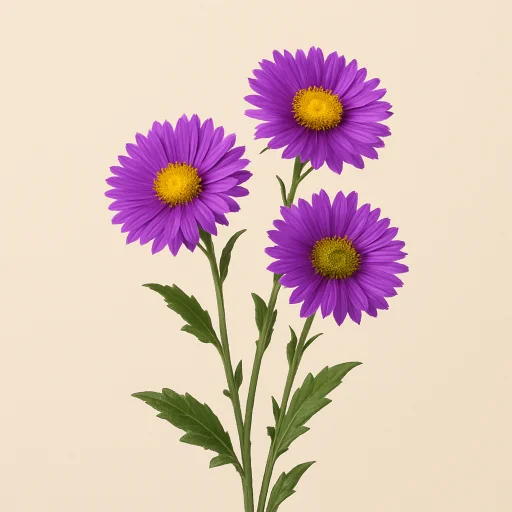
At a glance
| Botanical name | Aster spp. |
| Meaning | Patience and loyalty |
| Season | Autumn, mainly September to November |
| Vase life | 7 to 12 days |
| Colors | Purple (with us), also white, pink, blue |
| For pets | Generally non-toxic to dogs and cats, but better not to be eaten |
What does the aster mean? (symbolism, occasions)
Asters have long symbolized patience and loyalty, so they’re often used to send personal messages. Because they bloom in autumn, they’re a great choice for harvest festivals, thank-you bouquets and subdued sympathy arrangements where quiet steadiness is wanted. In the language of flowers they can express reliability and lasting affection, which makes them suitable for anniversaries or everyday greetings. Their small, clear blossoms convey modesty rather than showiness, so they balance well with more opulent flowers. Purple asters in particular emphasize deep feelings and appreciation.
When is it in season? (months, origin)
Aster’s main season is in autumn, typically from September to November. Many species originate from temperate areas of Europe and Asia and are adapted to cooler temperatures and shorter days, which is why they bloom strongly in autumn. Nurseries breed asters to flower late and provide long color accents. For cut flowers growers often use densely branched, compact varieties that reliably carry many small heads. Because they offer true autumn quality, asters are ideal for seasonal bouquets and market displays in the cooler months.
What to combine it with in the bouquet? (specific partner flowers and foliage)
Aster pairs very well with chrysanthemums and lilac, which bring similar autumn tones and stable structure. A particularly harmonious mix is bronze chrysanthemum and physalis, a golden October feeling. Fine solitary blooms like Santini or small roses complement the delicate aster heads. For greenery choose eucalyptus, salal and delicate grasses for airiness. For rustic bouquets you can add broom blooms or rose hips. Pay attention to different flower sizes and textures so the small aster blossoms remain visible and don’t get lost among larger shapes.
Aster in the vase: step by step
- Remove any leaves that would sit below the water line.
- Cut the stems on a sharp diagonal, ideally with a knife.
- Fill the vase with fresh, lukewarm water and add cut-flower food if needed.
- Place the vase in a cool, bright spot out of direct sunlight.
- Change the water every two days and recut stems when necessary.
Giving asters, immediately and out of season (the Strausserie: Flora arranges a digital bouquet, sent as a link that blooms and wilts like a real one if not kept)
With the Strausserie you can give asters even outside their main season. We compose bouquets so the intended mood stays intact and use seasonal substitute flowers if certain varieties aren’t available. Flora arranges a digital bouquet, sent as a link that blooms and wilts like a real one if it’s not kept. The digital image shows the bouquet in high quality and recipients can view it immediately or open it later. For physical shipping we pay attention to suitable packaging, cooling and fast delivery so purple asters arrive fresh and keep their characteristic autumn charm.
Feeling inspired?
Create your own bouquet in the workshop and send it as a link that blooms open.
Frequently asked questions
How long do asters last in the vase?
Asters typically stay fresh for seven to twelve days. With clean water, a fresh cut and a cool spot you can often extend their vase life.
Are asters toxic to cats?
Asters are generally not considered highly toxic to cats, but pets shouldn’t eat flowers. If your pet shows unusual eating behavior or becomes ill, please contact a veterinarian.
Why do asters sometimes droop?
Drooping heads are usually a sign of insufficient water or old cut surfaces. Fresh water, a new angled cut and removing decayed leaves often help right away.
What does the purple aster mean?
The purple aster symbolizes deep feelings like loyalty and quiet affection. In bouquets it feels intimate and understated, a good choice for personal messages.